A Knot Before Breakfast
Japanese philosophy, in practice — Musuhi 産霊, continued

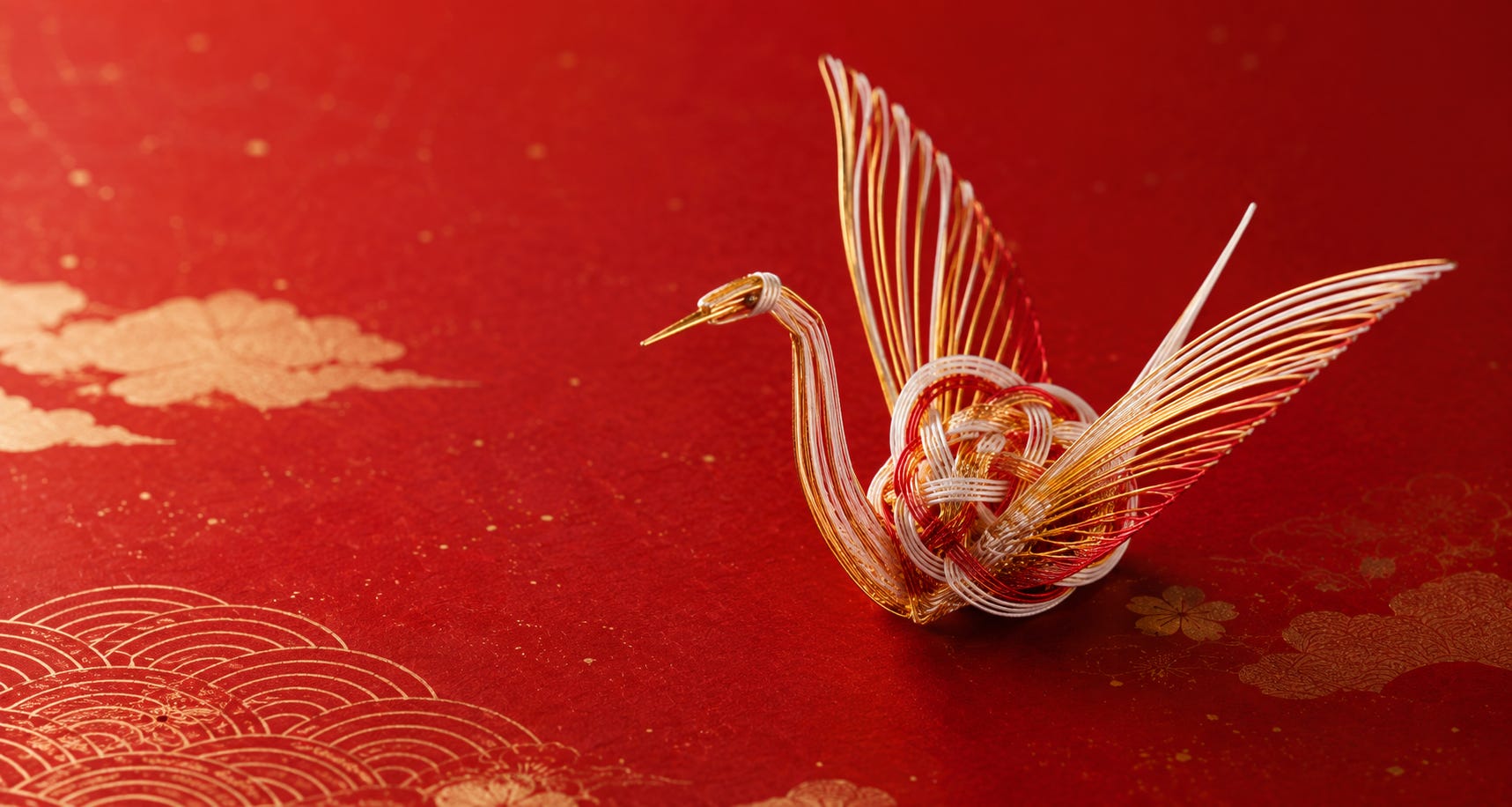
The kettle is already ticking as it heats. Outside, the light hasn’t decided what kind of day this is. Your phone is face-down somewhere, holding its breath, and you are minutes away from the first task, the first screen, the first pull on your attention.
This is the best hour for making a knot.
On Thursday we followed the word musuhi — the tying that brings things into being. Today, one step further: instead of waiting for a bowl to return to a shelf, choose the knot in advance.
Pick one action from your ordinary morning. Pouring hot water. Tying a lace or an apron string. Setting a cup down on the table. Just one — and decide on it before it happens, so that when the moment arrives, you recognize it.
Then see it through to its true end — which is always slightly later than you think. The pour ends not when the cup is full but when the last drop has left the spout and the kettle is level in your hand again. The lace ends when both hands have fully let go and the loop holds its shape on its own. The cup ends when the sound of it meeting the table has faded completely into the room, and your fingers — this is the part we skip — have actually left the handle.
Stay until that end. Not a moment longer. You are not slowing your morning down; the whole practice costs a few seconds. You are letting one action finish being born before the day’s momentum sweeps in and everything becomes half-done, half-attended, half-tied.
Everything after breakfast will be faster. That’s fine. Speed is not the problem and never was. One tied action is enough to change what all that speed rests on.
The day begins already tied.
Thursday’s letter, where this began → Japanese Survival Code — Musuhi (産霊)
If this landed somewhere in your body, subscribe — one letter, once a week.