
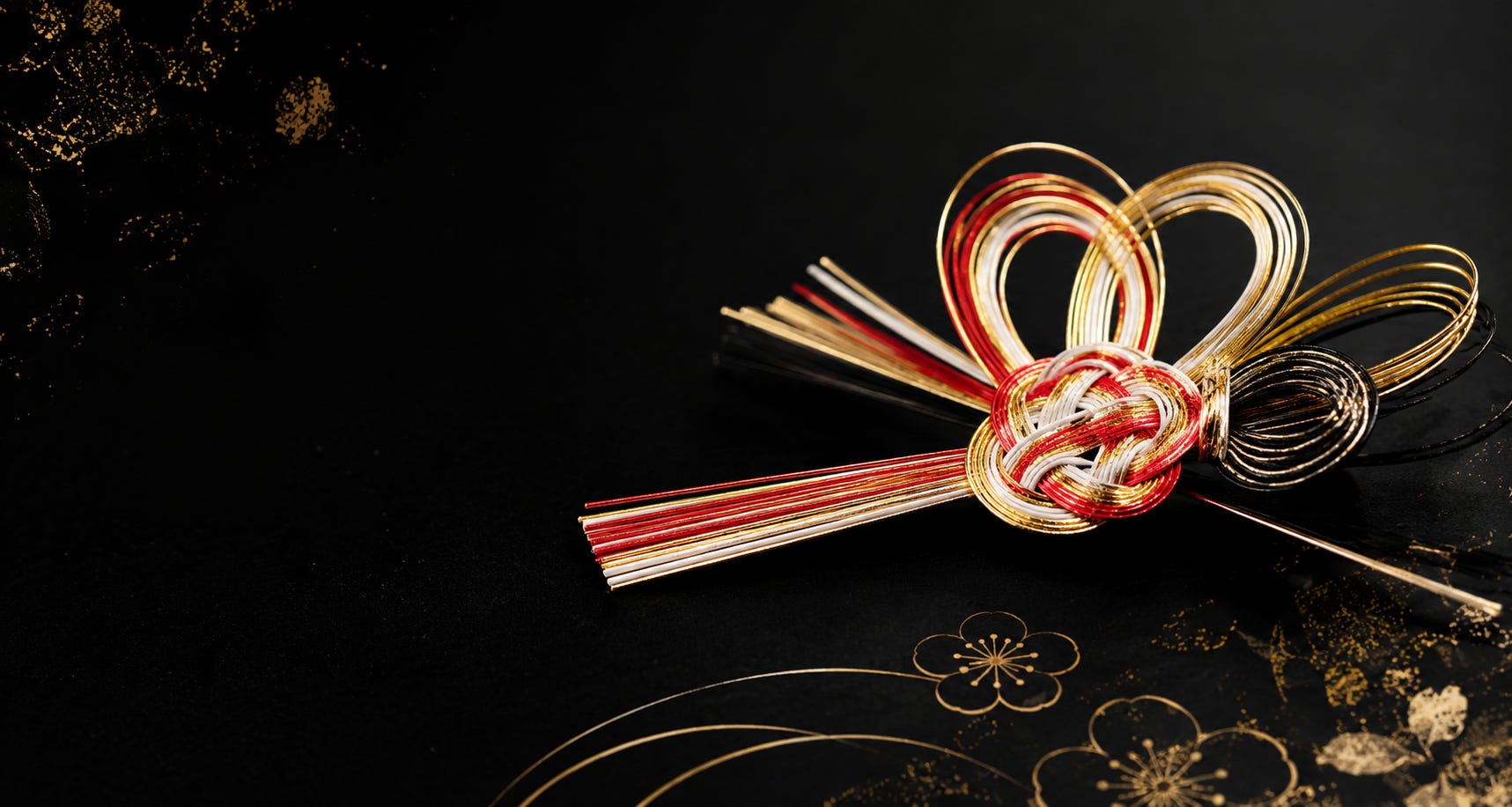
The most exported word in Japanese is also the most misread.
Wa 和 — harmony. In translation it became softness: bow, blend, agree, disappear. At its source it carries more spine — cooperation between people who remain fully themselves. Coordination that begins from sovereignty, not self-erasure. Not the absence of friction. The design of it.
I write this from a startup society in Malaysia, surrounded by founders from around the world building new societies from zero. When they ask what Japan knows, they expect an aesthetic — incense, moss, a beautiful slowness to consume on weekends. What I give them is closer to an operating system: protocols for staying whole, together, refined through centuries of collapse and rebuilding. Not a mood. A survival code.
This publication reads that code, one word at a time — and translates it into something you can use, in a body, in a life, in whatever you are building.
Let me begin with the word underneath all of it.
In Japanese, my son, my daughter, and a rice ball share a name.
Musuko — son. Musume — daughter. Omusubi — the rice ball a mother presses into shape with her bare hands before a long day.
Three ordinary words. One root: musu — to come into being. It is the verb for moss growing on a stone, for steam rising from rice. Not built. Not made. Arisen.
Underneath these everyday words sits an older one: musuhi — 産霊 — written with the characters for birth and spirit. It names the working that generates things and ties them into being. Not a concept you study. A force you have already touched, every time you pressed rice into a shape that would hold.
Tied, not assembled
The verb form is musubu — to tie.
But listen to what else this verb carries. In Japanese, dew ties on morning grass. Fruit ties on the branch. An agreement between two people ties. A life ties itself into form.
In this language, things do not get assembled from parts. They get tied — and tying is how they are born.
Which quietly rewrites something I watch founders and builders struggle with every week. When your attention and your body stop speaking to each other — when you can no longer feel your own tiredness until it flattens you — it feels like something is broken. A severed line. Damage to locate and repair.
But seen from the side of musuhi, nothing is severed.
What looks cut is only not yet tied.
The thread from your body is still being offered — the heaviness behind the eyes at three in the afternoon, the jaw you notice only when it releases, the exhale that arrives deeper than you asked for. The body never stopped reporting. The knot simply hasn’t been made yet.
That is a very different starting point. Repair assumes damage. Tying assumes two ends, both alive, both already reaching.
What this publication is
So let me say plainly what this letter — and every letter after it — is for.
I am Japanese, and I live outside Japan — close enough to read the source, far enough to see which parts still run. My grounding is twenty years of TAO bodywork, crystal healing, and sound bath practice, and I sit each week with founders and executives whose minds run far ahead of their bodies. My work is not to slow the mind down. It is to tie the two ends back together — one knot at a time.
This publication does the same thing in writing.
Each letter takes one Japanese word — a word like musuhi, still warm from a thousand years of kitchens, workshops, and mornings — and follows it down to where it touches the body. No mysticism explained from a distance. Just the primary material: the words themselves, the practice itself, and what changes the morning after.
Deep restoration and deep building can coexist. That is the entire premise. Everything here is in service of that one knot.
This Week’s Practice
Make one knot today.
When you return a cup or a bowl to the shelf, keep your hand on it until the sound of setting it down has completely disappeared. Not a second longer. Just until silence.
That pause — one breath wide — is where the tying happens.
Because tying was never about adding something new. It is staying one breath longer with what is already there.
The knot is already in your hands.
If this landed somewhere in your body, subscribe — one letter, once a week.